Dare to Cross Master the Thrills and Challenges of Chicken Road for Endless High Scores.
Home Blog
Dare to Cross Master the Thrills and Challenges of Chicken Road for Endless High Scores.
- Dare to Cross: Master the Thrills and Challenges of Chicken Road for Endless High Scores.
- Understanding the Core Mechanics of Chicken Road
- Advanced Techniques for Achieving High Scores
- The Psychology of Addiction in Chicken Road
- Comparing Chicken Road to Other Hyper-Casual Games
- Tips and Tricks for Becoming a Chicken Road Pro
- The Future of Chicken Road and Hyper-Casual Gaming
Dare to Cross: Master the Thrills and Challenges of Chicken Road for Endless High Scores.
The simple, yet incredibly addictive, mobile game known as chicken road has captured the attention of players worldwide. The premise is straightforward: guide a determined chicken across a busy highway, dodging oncoming traffic to achieve the highest possible score. However, beneath its apparent simplicity lies a game that demands quick reflexes, strategic thinking, and a healthy dose of perseverance. Many find the core gameplay loop of chicken road surprisingly engaging, offering a quick and accessible burst of entertainment anytime, anywhere.
This article will delve into the intricacies of the game, exploring strategies for success, the addictive elements that keep players coming back for more, and the unexpected appeal of watching a pixelated chicken navigate perilous roadways. We’ll cover everything from basic controls to advanced techniques, helping you maximize your score and become a true chicken road master.
Understanding the Core Mechanics of Chicken Road
At its heart, chicken road is a test of timing and reaction speed. Players control a chicken whose sole objective is to cross an endlessly scrolling road filled with vehicles traveling at varying speeds. Tapping the screen makes the chicken take a step forward. The key is to time these steps to avoid being hit by cars, trucks, and other forms of transport. Each successful crossing of traffic lanes earns the player a point, and the score continually increases as long as the chicken survives. The seemingly simple act of timing becomes increasingly challenging as the game progresses and the speed of the traffic intensifies.
The game features simple, colorful graphics and an upbeat soundtrack, contributing to its overall lighthearted and addictive quality. There aren’t any complicated power-ups or in-app purchases to distract from the core gameplay experience. It’s a pure skill-based game that rewards consistent practice and precision. Learning to anticipate the movement patterns of vehicles, rather than simply reacting to them, can significantly improve your performance.
Mastering the art of prediction is crucial. Watch for gaps in traffic and aim to move when these openings align with your chicken’s position. Don’t be afraid to wait for a more substantial gap, as a single misstep can end your run. The game is very unforgiving, but that’s part of its charm. Determined players find the challenge motivating, repeatedly attempting to beat their previous high scores.
| Difficulty Level | Typical Traffic Speed | Recommended Strategy |
|---|---|---|
| Easy | Slow and Consistent | Focus on rhythmic tapping and consistent movement. |
| Medium | Moderate with occasional surges | Anticipate traffic patterns and take calculated risks. |
| Hard | Fast and unpredictable | Prioritize safe crossings and avoid unnecessary risks. |
Advanced Techniques for Achieving High Scores
Simply surviving isn’t enough if your goal is to top the leaderboards. Boosting your score requires implementing more advanced strategies. One effective technique is observing the patterns of individual vehicles. While the traffic flow may seem random, vehicles often maintain a relatively consistent speed and trajectory. Recognizing these patterns allows you to anticipate their movements and time your crossings more effectively. This requires sharp visual focus and practice.
Another crucial aspect of advanced gameplay is minimizing wasted time between crossings. Avoid lingering on a single lane for prolonged periods, as this increases the risk of encountering oncoming traffic. Instead, aim to move swiftly across lanes, taking advantage of every available opportunity. A proactive approach, rather than a reactive one, is key to racking up a high score. Players who focus on efficiently traversing the road consistently achieve better results.
Finally, mastering the subtle art of ‘safe hesitation’ can be surprisingly effective. Sometimes, it’s better to slightly delay your crossing, waiting for a clearer opening that will guarantee your survival. This may seem counterintuitive, but it minimizes the risk of collisions, allowing you to progress further in the long run. It is a balancing act between speed and safety.
The Psychology of Addiction in Chicken Road
What makes a game as simple as chicken road so compelling? The answer lies in its effective use of several key psychological principles. The game provides a constant stream of small, achievable goals – successfully crossing each set of lanes. These small victories trigger the release of dopamine in the brain, creating a sense of reward and reinforcing the desire to continue playing. This positive feedback loop is a powerful motivator, encouraging players to repeatedly attempt to beat their high scores.
Furthermore, the game’s difficulty curve is cleverly designed. It starts out relatively easy, allowing players to gain a sense of mastery and confidence. However, the difficulty gradually increases, presenting a constant challenge that keeps them engaged. This continuous escalation of difficulty prevents boredom and maintains a feeling of progress. It’s the ideal balance between accessibility and challenge. The frustration of occasional failures is tempered by the possibility of eventual success.
The simplicity of the game also contributes to its addictive nature. There are no complex menus, complicated controls, or distracting features to interfere with the core gameplay experience. It’s a streamlined and focused experience that allows players to become deeply immersed in the challenge. This lack of complexity makes it easy to pick up and play, anytime, anywhere, making it an ideal game for short bursts of entertainment.
Comparing Chicken Road to Other Hyper-Casual Games
Chicken road falls into the category of ‘hyper-casual’ games – mobile games characterized by their simple mechanics, minimalistic graphics, and addictive gameplay. Numerous other games share similar characteristics, such as ‘Color Bump 3D’ and ‘Stack.’ However, chicken road distinguishes itself through its unique theme and surprisingly high level of skill required to achieve consistently high scores. It is more than a simple reaction test.
Many hyper-casual games rely heavily on in-app purchases or intrusive advertisements to generate revenue. However, chicken road generally avoids these tactics, providing a relatively un-interrupted gameplay experience. This makes it a refreshing alternative to games that aggressively attempt to monetize every aspect of the game. This commitment to a streamlined experience is appreciated by many players.
While other hyper-casual games may offer a wider variety of game modes or customization options, chicken road focuses on perfecting a single, core mechanic. This singular focus allows developers to fine-tune the game’s difficulty and create a truly addictive experience. The focus on a singular, well-polished mechanic demonstrates a strong design sense.
- Simple one-touch controls.
- Endless gameplay for extended entertainment.
- Bright and cheerful visual style.
- Leaderboards to compete with friends and global players.
- A challenging but rewarding game loop.
Tips and Tricks for Becoming a Chicken Road Pro
Beyond the advanced techniques discussed earlier, there are a few additional tips that can help you elevate your chicken road game. Pay close attention to the timing of vehicle spawns. You might notice certain patterns in the timing of when new cars appear on the road. Exploiting these patterns can give you a slight advantage. This requires noticing the ingame patterns consistently.
Secondly, prioritize consistent practice. Just like any skill, mastering chicken road requires repetition and refinement. The more you play, the better you’ll become at anticipating traffic and timing your crossings. Although it’s a simple game, it still demands muscle memory and an understanding of the game’s rhythm. It’s similar to training for a sport.
Finally, don’t be afraid to experiment with different strategies. There’s no single ‘right’ way to play chicken road. Try varying your timing, adjusting your speed, and experimenting with different approaches to find what works best for you. Adaptability is key to surviving the ever-changing roadways.
- Focus intently on timing.
- Anticipate traffic patterns.
- Minimize wasted time between crossings.
- Master the art of ‘safe hesitation’.
- Practice consistently to improve reaction time.
The Future of Chicken Road and Hyper-Casual Gaming
The success of chicken road demonstrates the enduring appeal of hyper-casual gaming. These games offer a simple, accessible, and addictive form of entertainment that can be enjoyed by players of all ages and skill levels. The future of the genre is likely to see a continued focus on refining existing mechanics and innovating with new themes and visual styles. The ease of development for these games means we’ll be seeing more of them.
Developers may also explore new ways to incorporate social features into hyper-casual games. Allowing players to compete against friends, share scores, or collaborate on challenges could further enhance the addictive nature of these games and increase player engagement. The possibilities for social integration are vast. The gameplay loop is perfect for asynchronous multiplayer competitiveness.
Ultimately, the appeal of chicken road lies in its simplicity and the satisfaction of overcoming a challenging obstacle. As long as developers continue to create games that tap into these basic human desires, the hyper-casual genre will remain a vibrant and popular form of entertainment. Its success showcases how a simple concept, well executed, can generate widespread appeal.
The importance of early treatment for ED
Erectile dysfunction (ED) is a common sexual disorder that affects millions of men worldwide. ED is characterized by the inability to achieve or maintain an erection during sexual activity, causing a lot of distress and strain on relationships. However, with the advent of modern medicine, ED can now be effectively treated, and the earlier it is diagnosed, the better. One of the most popular medications used for ED is Viagra.
Viagra, also known as sildenafil, was first introduced to the market in 1998 and has since then become one of the most widely prescribed medications for ED. It works by increasing blood flow to the penis, which helps to achieve and maintain an erection. Since its launch, Viagra has become synonymous with ED treatment and is widely recognized as an effective solution for the disorder.
Early treatment of ED is important for several reasons. Firstly, the longer ED goes untreated, the more complicated it can become to treat. This is because ED can be a symptom of underlying health conditions such as cardiovascular disease, diabetes, or prostate problems, which can worsen over time. Treating ED early on can help to prevent the progression of these underlying health issues and prevent any additional health complications.
Moreover, early treatment of ED can also help to improve a man’s overall quality of life. ED can have a significant impact on a man’s self-esteem and confidence, leading to feelings of anxiety and depression. Early treatment of ED can help to alleviate these feelings and improve a man’s overall wellbeing.
Another important reason for early treatment of ED is to preserve and maintain the quality of relationships. ED can put a strain on relationships, leading to feelings of frustration, disappointment, and even anger. Early treatment of ED can help to improve intimacy and strengthen the bond between partners, leading to a more satisfying and fulfilling relationship.
Viagra (you can find this medicine on this site – mifarmaciaespana24) has been shown to be an effective solution for ED, with a success rate of around 70%. It is important to note that Viagra is not a cure for ED and should not be taken as a substitute for seeking medical advice. It is essential to consult a doctor before taking Viagra, as it can interact with other medications and may not be suitable for all men.
Viagra is available in different dosages, ranging from 25mg to 100mg, and should be taken approximately 30 minutes before sexual activity. The most common side effects of Viagra include headache, flushing, indigestion, and visual disturbances, but these are generally mild and short-lived.
In conclusion, early treatment of ED is crucial for a number of reasons. It can help to prevent the progression of underlying health conditions, improve a man’s quality of life, and strengthen relationships. Viagra is one of the most popular medications for ED, and has been shown to be effective in treating the disorder. However, it is important to seek medical advice before taking Viagra and to follow the recommended dosage. Early treatment of ED can lead to improved health and a more fulfilling life.
The Digital Evolution of Modern Entrepreneurship: Strategies for 2026
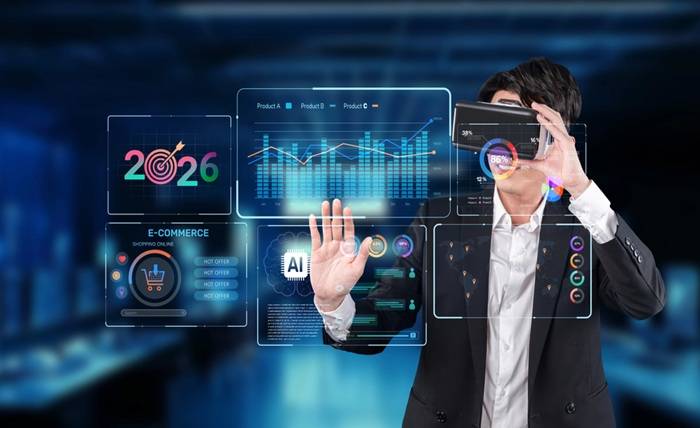
The landscape of modern business has undergone a radical transformation over the last few years. As we navigate through 2026, the traditional boundaries between physical storefronts and digital platforms have almost entirely dissolved. Today, success isn’t just about having a great product; it’s about mastering the ecosystem of visibility, user engagement, and technical adaptability. For entrepreneurs looking to carve out a sustainable niche, understanding these moving parts is essential.
The Rise of Hyper-Personalization
One of the most significant shifts in the current market is the demand for hyper-personalization. Consumers no longer respond to broad, “one-size-fits-all” marketing campaigns. Instead, they seek experiences tailored to their specific behaviors and preferences.
This shift has been driven largely by advancements in artificial intelligence and machine learning. Businesses are now using predictive analytics to anticipate a customer’s needs before the customer even voices them. Whether it’s a boutique e-commerce site or a specialized service provider, the goal is to make the user feel like the platform was built specifically for them.
Integrating Engagement Mechanics
Engagement is the currency of the digital age. To keep users coming back, savvy developers and marketers are looking toward gamification and interactive elements. These mechanics are often inspired by high-traffic entertainment platforms. For instance, when designing a user interface, a developer might incorporate a specific link slot within the layout to ensure fluid navigation and high visibility for promotional content.
By treating user retention as a “game” with rewards and milestones, companies can significantly lower their churn rates. It’s about creating a “sticky” environment where the value provided increases with every interaction. This is why we see more loyalty programs integrating digital badges, progress bars, and tiered rewards that mimic the dopamine loops found in interactive media.
Diversifying the Marketing Stack
Relying on a single social media platform or search engine for traffic is a risky strategy in 2026. Algorithmic shifts can happen overnight, potentially wiping out a brand’s visibility. To combat this, businesses are diversifying their “marketing stack.” This involves:
- Email Marketing: Still the king of ROI, allowing for direct communication without middleman interference.
- Community Building: Leveraging platforms like Discord or private forums to foster brand advocates.
- Incentivized Onboarding: Offering unique welcome packages to new users. For example, a community manager might promote a heylink bonus new member 100 bebes ip to encourage rapid growth and initial engagement within a new digital portal.
The Importance of Technical SEO and Infrastructure
While content remains vital, the technical infrastructure of a website is what allows that content to shine. In 2026, Core Web Vitals are more stringent than ever. Speed is no longer a luxury; it is a baseline requirement. If a page takes more than a second to load, the bounce rate skyrockets, signaling to search engines that the site is not providing a quality experience.
Furthermore, mobile-first indexing has evolved into mobile-only priority. With the majority of the global population accessing the internet via handheld devices, the desktop version of a site is often an afterthought for search crawlers. Clean code, compressed images, and intuitive UI/UX design are the pillars of modern SEO.
Building Trust through Transparency
In an era of deepfakes and automated content, authenticity has become a premium commodity. Consumers are more skeptical than ever, which means businesses must go above and beyond to prove their legitimacy. Transparency regarding data usage, sourcing, and even the “behind-the-scenes” struggles of the company can build a bridge of trust that competitors cannot easily cross.
Video content, particularly live streaming, has become a powerful tool for this. It allows business owners to show the human faces behind the brand, answering questions in real-time and addressing concerns with a level of sincerity that a typed FAQ page simply cannot match.
Final Thoughts
Success in the current digital climate requires a blend of technical prowess and psychological insight. By focusing on hyper-personalization, diversifying engagement strategies, and maintaining a rock-solid technical foundation, businesses can thrive despite the ever-increasing competition. The digital world moves fast, but for those willing to adapt and experiment, the opportunities are limitless.
Exploring the Thrills of Mahjong Ways 3 and Online Gaming Opportunities

In recent years, the gaming world has seen an unprecedented rise in popularity, with both traditional and digital games capturing the attention of enthusiasts around the globe. Among these, mahjong ways 3 has emerged as a favorite, blending strategic thinking with exciting gameplay mechanics. This latest iteration brings fresh features that keep players engaged while offering a unique challenge every time they play.
Understanding Mahjong Ways 3
At its core, Mahjong Ways 3 is a modern take on the classic mahjong tile-matching game. Unlike traditional mahjong, this version introduces dynamic paylines, bonus rounds, and interactive animations, creating a visually appealing and intellectually stimulating experience. The game’s design focuses on both casual players and seasoned strategists, making it accessible while still providing depth for those looking to master its nuances.
One key feature that sets Mahjong Ways 3 apart is its multi-level progression system. Players are not only rewarded for completing tiles but also for strategic combinations, encouraging careful planning and smart decision-making. The game’s interface is smooth and intuitive, allowing users to focus on strategy rather than navigating complicated controls.
Why Mahjong Ways 3 Appeals to Gamers
The popularity of Mahjong Ways 3 stems from its perfect balance of challenge and entertainment. It appeals to players who enjoy solving puzzles, as well as those who seek the thrill of winning bonuses and unlocking new levels. Additionally, the game’s vibrant graphics and immersive sound effects enhance the overall experience, making every session enjoyable and memorable.
Moreover, Mahjong Ways 3 encourages social interaction through features that allow players to share their achievements and compete with friends. This social aspect adds another layer of excitement, as players can measure their skills against others in a fun and competitive environment.
The Rise of Online Gaming Platforms
While Mahjong Ways 3 offers an engaging standalone experience, the growth of online gaming platforms has expanded opportunities for enthusiasts to explore similar games. Today, players can access a wide variety of games from the comfort of their homes, enjoying seamless gameplay and secure transactions. One notable trend in the online gaming industry is the availability of low-deposit entry options, such as situs slot depo 10k, which allows newcomers to try their luck without significant financial commitment.
These platforms have become popular because they combine convenience with variety. Gamers no longer need to rely solely on physical game centers; instead, they can enjoy multiple games on their devices, anytime and anywhere. This accessibility has democratized gaming, making it appealing to a broader audience.
Responsible Gaming and Strategy
While the allure of Mahjong Ways 3 and online slot platforms is strong, it is important to approach gaming responsibly. Players are encouraged to set limits on their playing time and budgets, ensuring that gaming remains a source of entertainment rather than stress. Strategic thinking is not only key in Mahjong Ways 3 but also essential when engaging in online gaming. By understanding game mechanics, patterns, and probabilities, players can improve their chances of success while maintaining a healthy gaming routine.
The Future of Gaming
The success of Mahjong Ways 3 exemplifies how innovation and technology are reshaping the gaming landscape. Developers are continuously exploring new ways to enhance user experiences, from integrating advanced graphics and interactive features to offering engaging reward systems. With the rise of accessible online platforms like situs slot depo 10k, the barrier to entry for new players is lower than ever, paving the way for a diverse and enthusiastic gaming community.
As technology continues to evolve, we can expect games like Mahjong Ways 3 to become even more immersive, combining elements of storytelling, strategy, and social engagement. Players can look forward to richer experiences that challenge both the mind and the senses, fostering a community where skill and enjoyment go hand in hand.
Conclusion
Mahjong Ways 3 is more than just a game; it is a gateway to strategic thinking, entertainment, and social interaction. Combined with the accessibility of online platforms offering options like situs slot depo 10k, it represents the future of gaming: interactive, inclusive, and exciting. Whether you are a puzzle enthusiast or a casual gamer, exploring these platforms opens doors to new experiences and endless entertainment possibilities.
Top 10 Remote Control Vehicle Games You Need to Play

Remote control (RC) vehicle games offer a thrilling blend of speed, precision, and strategy, letting players experience the joy of piloting everything from speedy cars to hefty trucks right from their screens. Whether you’re a fan of racing, off-roading, or complex stunt challenges, RC vehicle games deliver an addictive mix of fun and competition. If you’re looking to dive into this exciting niche, here are the top 10 remote control vehicle games you absolutely need to play.
1. Re-Volt
A classic that refuses to get old, Re-Volt has been a fan favorite since its original release in 1999. This game offers colorful tracks, inventive power-ups, and an impressive physics engine that perfectly captures the feel of tiny RC cars racing through oversized environments like a museum or a garden. The controls are tight, and the multiplayer mode is especially fun, making it a timeless choice for RC racing enthusiasts.
2. RC Mini Racers
RC Mini Racers takes the concept of RC racing to a more modern and visually appealing level. It features detailed car models, multiple track environments, and an easy-to-pick-up control scheme that appeals to players of all skill levels. The game also includes a variety of race types, from time trials to competitive multiplayer races, ensuring plenty of replay value.
3. Mad Skills Motocross 2
Though primarily a motocross game, Mad Skills Motocross 2 captures the essence of remote control dirt bike racing perfectly. The side-scrolling gameplay emphasizes skillful handling and timing, making every race a thrilling challenge. With a strong online community and frequent updates, it’s a top choice for players looking to master RC-style motocross.
4. Toybox Turbos
If you love the charm of miniature RC cars combined with arcade-style racing, Toybox Turbos is a must-play. The game offers a variety of quirky tracks set in household locations like kitchen counters and backyards. It’s fast-paced, full of power-ups, and perfect for casual gaming sessions or competitive multiplayer battles.
5. Off-Road RC Simulator
For those who prefer the rugged terrain, Off-Road RC Simulator offers realistic physics and detailed vehicle models that replicate the challenges of off-roading with RC trucks. Players can navigate mud, rocks, and steep hills while managing realistic suspension and traction. This simulator appeals to those who appreciate technical driving and vehicle customization.
6. Remote Control Racing 3D
True to its name, Remote Control Racing 3D brings high-quality 3D graphics and fast-paced RC racing action to your device. The game’s highlight is its variety of RC vehicles, from trucks to buggies, and challenging courses that test speed and control. With responsive controls and multiple difficulty levels, it’s great for both beginners and veterans.
7. RC Off-Road Extreme
If you want the thrill of RC vehicles tackling extreme obstacles, RC Off-Road Extreme delivers. This game emphasizes tricky courses filled with ramps, loops, and jumps that require precise control and timing. It’s a great mix of arcade fun and skill-based gameplay, perfect for players who enjoy both racing and stunt challenges.
8. Rebel Racing
Although not exclusively focused on RC vehicles, Rebel Racing offers a realistic and beautiful racing experience that many RC enthusiasts appreciate. Its realistic car physics and stunning graphics make for immersive races, while its inclusion of miniature and toy-like vehicles in some modes bridges the gap between real cars and RC racing.
9. Mini Motor Racing
Mini Motor Racing delivers fast and furious races with a top-down view, making it easy to pick up but hard to master. The game features a wide variety of tiny vehicles and tracks, with a strong emphasis on upgrading and customizing your cars. Its simple yet addictive gameplay has earned it a solid fan base.
10. RC Cars: Realistic Remote Control
A simulator focused on realism, RC Cars: Realistic Remote Control lets players experience the physics and mechanics of real RC car racing. From battery management to suspension tuning, it’s packed with details that make the gameplay satisfying for serious hobbyists. The realistic tracks and weather conditions add depth and challenge to every race.
Why Remote Control Vehicle Games Are So Popular
The appeal of RC vehicle games lies in their unique blend of casual fun and technical skill. Unlike traditional racing games, the miniature scale and quirky environments give players a fresh perspective, making everyday places feel like massive racecourses. Plus, the tactile joy of controlling tiny vehicles—dodging obstacles, mastering jumps, or pulling off tricky maneuvers—resonates with both younger players and nostalgic adults alike. For those inspired to take their passion offline, browsing an RC online store is a great way to find real-life vehicles and accessories to complement the gaming experience.
If you’re new to RC vehicle games or looking to expand your collection, these ten titles offer a diverse range of experiences, from arcade-style fun to realistic simulations. They capture the essence of remote control racing with their engaging gameplay, creative tracks, and charming vehicles. Grab your virtual controller and dive into one of these games—you’re in for hours of miniature motorized excitement.
From VR Classrooms to Surgical Simulators: What Game Developers Can Learn from Educational XR Projects
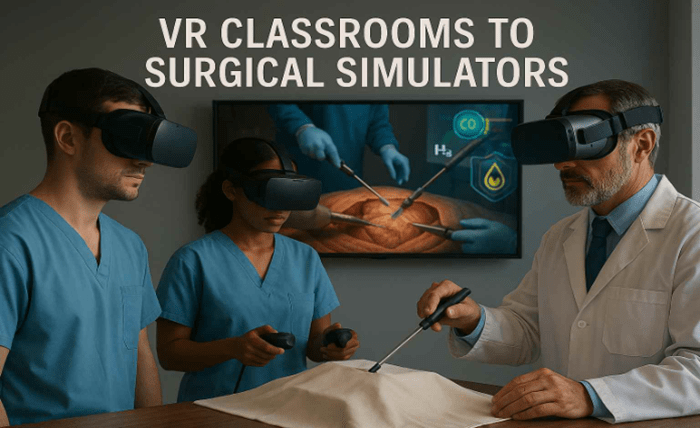
Educational XR projects leverage virtual and augmented reality to enhance learning experiences. These projects offer immersive environments where learners can interact with content in ways that traditional methods cannot replicate. This transformation in educational delivery is noteworthy for game developers interested in pushing the boundaries of virtual reality game development.
Key Takeaways
- Immersive Learning: Educational XR projects demonstrate the power of immersive and interactive environments that can engage learners in ways traditional methods cannot.
- Cross-Disciplinary Collaboration: Collaboration between different fields can lead to the creation of more authentic gaming experiences, much like educational XR projects that involve educators and technologists.
- Realism Matters: Incorporating realistic simulations in gaming can enhance player engagement and create a more believable experience.
- Ethical Game Design: Developers must consider the ethical implications of their games to promote positive experiences and avoid harmful stereotypes.
- Future Opportunities: As XR technologies advance, the potential for creating enriched, social, and personalized gaming experiences continues to grow, offering new avenues for innovation and engagement.
Expanding Virtual Reality in Education
Virtual reality education provides students with interactive and immersive experiences. In VR classrooms, learners can explore historical sites, manipulate complex molecules, or even walk through the human body. By simulating real-world environments, VR allows students to experiment and learn in a controlled, risk-free setting. This level of interaction and engagement is something educational games developer should note, as the same principles can be applied to create compelling game narratives and environments. Furthermore, VR can accommodate different learning styles, offering visual, auditory, and kinesthetic experiences that can be mirrored in gaming to engage a broader audience.
Augmented Reality for Learning and Beyond
Augmented reality (AR) overlays digital content onto the real world, providing a blended learning experience. AR learning tools have been used to transform textbooks into interactive experiences, where learners can see and interact with 3D models. This technology can make abstract concepts more tangible, helping students visualize complex ideas. For game developers, AR offers opportunities to create games that blend reality with digital enhancements, enriching gameplay experiences. By incorporating AR, developers can create location-based games that encourage exploration and interaction with the real world, adding depth to the gaming experience.
The Expansion of Mixed Reality in Education
Mixed Reality (MR) combines elements of both virtual and augmented reality to create environments where physical and digital objects co-exist and interact in real-time. In educational settings, MR can be used to simulate laboratory experiments, conduct virtual field trips, or even reconstruct historical events. This technology bridges the gap between virtual and physical learning, offering a seamless blend of both worlds. Game developers can leverage MR to design games that respond dynamically to the player’s environment, creating an adaptive and engaging gaming experience that feels truly immersive.
The Real-World Applications of Surgical Simulators in VR
Surgical simulators have emerged as a revolutionary tool in medical training, utilizing virtual reality to offer realistic, immersive experiences for aspiring surgeons. These simulators provide a safe environment for learners to develop and hone their skills without the risk of harming actual patients. Here are some key aspects of how surgical simulators are being employed in the real world:
Enhanced Surgical Training and Skill Acquisition
- Safe Environment for Practice: VR surgical simulators allow medical students and residents to practice procedures repeatedly without the pressure and ethical concerns associated with real patients. This repetition helps build muscle memory and confidence in their skills.
- Realistic Scenarios: Advanced VR technology can replicate complex surgical scenarios, including unexpected complications that might arise during an actual procedure. This aspect prepares learners for real-life situations, enhancing their problem-solving abilities.
Standardized Training Across Institutions
- Uniform Training Experience: Surgical simulators provide a standardized curriculum across medical institutions, ensuring that all trainees receive the same foundational skills and knowledge before they begin operating on patients.
- Assessment and Feedback: Many VR simulators come equipped with assessment features that monitor a trainee’s performance in real time. Instructors can provide immediate feedback on techniques and decision-making, allowing for targeted improvement.
Bridging the Gap Between Theory and Practice
- Integration with Traditional Learning: VR surgical simulators complement traditional educational methods by bridging the gap between theoretical learning in classrooms and practical application in operating rooms. Students can visualize anatomy and surgical techniques before performing them.
- Collaborative Learning Experiences: Surgical simulators can facilitate collaborative training sessions where multiple trainees can work together in a shared virtual space, mimicking team dynamics that occur in actual surgical environments.
Advancing Medical Research and Techniques
- Testing New Procedures: Researchers and surgeons can utilize surgical simulators to test new techniques and procedures, studying potential outcomes and impacts before implementing them in real surgeries.
- Remote Training Capabilities: VR technology allows for remote training opportunities, enabling experts to teach and assess trainees from different geographic locations without the need for physical presence.
Real-World Applications of Virtual Reality in Education
Virtual reality education is transforming how students learn by providing immersive and interactive experiences that enhance engagement and understanding. Here are some key applications of VR in real-world educational settings:
Interactive Learning Environments
- Virtual Field Trips: VR allows students to explore distant locations and historical sites without leaving the classroom. For example, students can virtually visit the pyramids of Egypt or walk through the streets of ancient Rome, enriching their understanding of history and geography.
- Simulated Experiences: In subjects like science, VR enables students to conduct experiments in a safe, controlled environment. For instance, they can explore cellular biology by walking through a virtual cell or interacting with chemical reactions safely.
Personalized Learning Experiences
- Adaptive Learning Paths: VR technology can tailor educational experiences to individual learning styles and speeds. This personalized approach helps accommodate various learners, making complex subjects more accessible and engaging.
- Gamified Learning: Educational games in VR can motivate students and make learning fun. By incorporating elements like points, rewards, and challenges, students become more invested in their educational journey.
Skill Development and Training
- Vocational Training: VR is being utilized in various vocational fields to provide hands-on training without the risks associated with real-life practices. Examples include training medical students in surgical procedures or teaching mechanics how to repair engines using virtual simulations.
- Language Learning: Immersive environments can simulate conversations with native speakers in realistic settings, enhancing language acquisition by allowing students to practice speaking and listening in context.
Collaboration and Communication
- Remote Learning and Collaboration: VR enables students from different geographical locations to collaborate in a shared virtual classroom. This capability fosters teamwork and communication skills essential in today’s globalized world.
- Interactive Classrooms: Teachers can engage students through VR by creating interactive lessons that involve real-time participation and problem-solving, making learning more dynamic and enjoyable.
Accessibility and Inclusivity
- Special Needs Education: VR can provide tailored educational experiences for students with special needs, offering alternative ways to engage with content that accommodate their specific learning requirements.
- Emotional and Social Learning: VR can create scenarios that allow students to practice empathy and understanding by putting them in others’ shoes, promoting social-emotional learning in a safe setting.
Lessons for Game Developers
Educational XR projects are a treasure trove of insights for those in virtual reality game development. Here are some key lessons:
Immersive Storytelling
The narrative potential of XR is vast. In educational settings, storytelling is used to explain complex concepts and engage learners. For game developers, this translates to crafting intricate storylines that are not only engaging but also educational. By weaving educational elements into game narratives, developers can create experiences that are both entertaining and enlightening. Furthermore, interactive storytelling can provide players with agency, allowing them to influence the narrative through their choices, leading to a more personalized and impactful gaming experience.
User Interaction and Engagement
Educational XR projects prioritize user interaction to enhance learning outcomes. Game developers can take inspiration from this by focusing on how players interact with game environments. The seamless integration of user feedback and adaptive challenges can significantly enhance player engagement, making games more appealing and rewarding. Additionally, incorporating elements of gamification, such as points, badges, and leaderboards, can motivate players to engage more deeply with the game, similar to how students are encouraged to participate in educational activities.
Realism and Simulation
Surgical simulators are an excellent example of XR’s potential to create realistic and precise simulations. Game developers can learn from these applications by incorporating realistic physics and accurate representations of real-world scenarios. This attention to detail can elevate the gaming experience, making it more immersive and believable. By simulating real-world consequences and environments, games can provide players with a sense of achievement and realism that enhances the overall experience.
Cross-Disciplinary Collaboration
Creating educational XR projects usually requires teamwork among teachers, experts in specific subjects, and technology specialists. Game developers can use a similar method by teaming up with experts from different areas. This teamwork can improve the quality and accuracy of their games, making them more engaging and realistic. By using knowledge from various fields, developers can design games that entertain and also teach players, enhancing their overall experience.
Challenges and Considerations
While the potential of XR in gaming is immense, developers must also consider the challenges associated with these technologies.
Technical Limitations and Solutions
XR technologies are still evolving, and technical limitations can pose challenges. Issues such as latency, hardware compatibility, and user interface design need careful consideration to ensure a smooth and immersive gaming experience. Developers must stay informed about technological advancements and find innovative solutions to these challenges, such as optimizing game performance and ensuring compatibility across different devices. By addressing these technical hurdles, developers can provide players with a seamless and enjoyable gaming experience.
Accessibility and Inclusivity in XR Gaming
As XR becomes more prevalent, ensuring accessibility for all users is crucial. Game developers should strive to make their games accessible to individuals with disabilities, considering aspects such as alternative input methods and customizable settings. By incorporating features like voice commands, subtitles, and adjustable difficulty levels, developers can create inclusive gaming experiences that cater to a diverse audience. Ensuring accessibility not only broadens the potential player base but also demonstrates a commitment to social responsibility and inclusivity.
Ethical Considerations and Responsible Game Design
With the ability to create highly immersive environments comes the responsibility to consider the ethical implications of game content. Developers must ensure that their games promote positive experiences and do not perpetuate harmful stereotypes or behaviors. This involves thoughtful consideration of the messages and themes presented in games, as well as the potential impact on players. By prioritizing ethical game design, developers can create experiences that are not only entertaining but also respectful and responsible.
Future Trends in XR and Gaming
As XR technologies continue to advance, several trends are likely to influence the future of gaming:
Enhanced Realism and Game Environments
Advancements in graphics and processing power will enable even more realistic and detailed game environments, providing players with unparalleled immersion. The use of photorealistic graphics and advanced rendering techniques will create visually stunning worlds that captivate players. Moreover, the integration of real-time physics and dynamic lighting will contribute to a more believable and engaging gaming experience, blurring the line between virtual and reality.
Social and Collaborative Experiences in XR
XR has the potential to revolutionize multiplayer gaming by creating shared virtual spaces where players can interact and collaborate in real-time, regardless of their physical location. These virtual environments will facilitate social interaction and teamwork, allowing players to form meaningful connections and collaborate on complex tasks. By embracing social and collaborative elements, developers can create games that offer rich and dynamic experiences, fostering a sense of community among players.
Personalized Learning and Gaming Experiences
The integration of artificial intelligence (AI) with XR will allow for personalized learning experiences in educational settings and adaptive gameplay in gaming. AI can analyze player behavior and preferences, tailoring challenges and content to individual users. This personalization will enhance player engagement by providing experiences that align with their interests and skill levels. Additionally, AI-driven game mechanics can create dynamic narratives and adaptive difficulty levels, ensuring a unique and satisfying experience for each player.
Conclusion
The intersection of educational XR projects and game development presents an exciting opportunity for innovation and growth. By learning from the successes and challenges of educational XR applications, game developers can create more engaging, immersive, and meaningful gaming experiences. As the boundaries between education and entertainment continue to blur, the potential for XR in gaming is limitless.
To harness this potential, it is essential for game developers to hire virtual reality designers who are adept at creating immersive environments and experiences. These designers can bring a wealth of knowledge and expertise in crafting captivating virtual worlds that not only entertain but also educate players. By collaborating with these professionals, game developers can push the boundaries of what is possible in virtual reality game development, ultimately redefining the gaming landscape.
Incorporating the lessons learned from educational XR projects into game design and development can lead to a new era of gaming that enriches the lives of players. As technology continues to evolve, the collaboration between education and gaming, supported by talented virtual reality designers, will pave the way for innovative experiences that captivate and inspire players worldwide.
Frequently Asked Questions (FAQs)
Q1: What are educational XR projects?
A: Educational XR projects use technologies like virtual reality (VR) and augmented reality (AR) to create immersive learning experiences. These projects enhance traditional education by offering interactive, engaging, and often hands-on simulations and environments.
Q2: How can game developers benefit from educational XR insights?
A: Game developers can learn from educational XR by studying its use of interactive storytelling, realistic simulations, and engagement strategies. These insights can be applied to design more compelling and immersive gameplay experiences.
Q3: What is the role of mixed reality in education?
A: Mixed Reality (MR) blends physical and digital environments, enabling real-time interaction. This can create dynamic learning environments for simulations, hands-on experiments, and creative exploration, significantly enriching educational outcomes.
Q4: How can accessibility be ensured in XR gaming?
A: Developers can enhance accessibility by implementing features such as voice control, adjustable difficulty levels, customizable input settings, and compatibility with assistive technologies like eye-tracking or haptic feedback systems.
Q5: What are some future trends for XR in gaming?
A: Emerging trends include ultra-realistic environments, AI-driven personalization, multiplayer social experiences in virtual spaces, and the integration of biometric feedback for adaptive gameplay.
From VR Classrooms to Surgical Simulators: What Game Developers Can Learn from Educational XR Projects
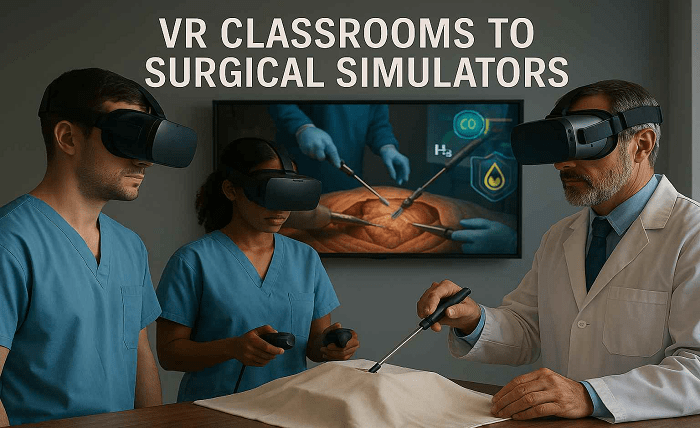
Educational XR projects leverage virtual and augmented reality to enhance learning experiences. These projects offer immersive environments where learners can interact with content in ways that traditional methods cannot replicate. This transformation in educational delivery is noteworthy for game developers interested in pushing the boundaries of virtual reality game development.
Key Takeaways
- Immersive Learning: Educational XR projects demonstrate the power of immersive and interactive environments that can engage learners in ways traditional methods cannot.
- Cross-Disciplinary Collaboration: Collaboration between different fields can lead to the creation of more authentic gaming experiences, much like educational XR projects that involve educators and technologists.
- Realism Matters: Incorporating realistic simulations in gaming can enhance player engagement and create a more believable experience.
- Ethical Game Design: Developers must consider the ethical implications of their games to promote positive experiences and avoid harmful stereotypes.
- Future Opportunities: As XR technologies advance, the potential for creating enriched, social, and personalized gaming experiences continues to grow, offering new avenues for innovation and engagement.
Expanding Virtual Reality in Education
Virtual reality education provides students with interactive and immersive experiences. In VR classrooms, learners can explore historical sites, manipulate complex molecules, or even walk through the human body. By simulating real-world environments, VR allows students to experiment and learn in a controlled, risk-free setting. This level of interaction and engagement is something educational games developer should note, as the same principles can be applied to create compelling game narratives and environments. Furthermore, VR can accommodate different learning styles, offering visual, auditory, and kinesthetic experiences that can be mirrored in gaming to engage a broader audience.
Augmented Reality for Learning and Beyond
Augmented reality (AR) overlays digital content onto the real world, providing a blended learning experience. AR learning tools have been used to transform textbooks into interactive experiences, where learners can see and interact with 3D models. This technology can make abstract concepts more tangible, helping students visualize complex ideas. For game developers, AR offers opportunities to create games that blend reality with digital enhancements, enriching gameplay experiences. By incorporating AR, developers can create location-based games that encourage exploration and interaction with the real world, adding depth to the gaming experience.
The Expansion of Mixed Reality in Education
Mixed Reality (MR) combines elements of both virtual and augmented reality to create environments where physical and digital objects co-exist and interact in real-time. In educational settings, MR can be used to simulate laboratory experiments, conduct virtual field trips, or even reconstruct historical events. This technology bridges the gap between virtual and physical learning, offering a seamless blend of both worlds. Game developers can leverage MR to design games that respond dynamically to the player’s environment, creating an adaptive and engaging gaming experience that feels truly immersive.
The Real-World Applications of Surgical Simulators in VR
Surgical simulators have emerged as a revolutionary tool in medical training, utilizing virtual reality to offer realistic, immersive experiences for aspiring surgeons. These simulators provide a safe environment for learners to develop and hone their skills without the risk of harming actual patients. Here are some key aspects of how surgical simulators are being employed in the real world:
Enhanced Surgical Training and Skill Acquisition
- Safe Environment for Practice: VR surgical simulators allow medical students and residents to practice procedures repeatedly without the pressure and ethical concerns associated with real patients. This repetition helps build muscle memory and confidence in their skills.
- Realistic Scenarios: Advanced VR technology can replicate complex surgical scenarios, including unexpected complications that might arise during an actual procedure. This aspect prepares learners for real-life situations, enhancing their problem-solving abilities.
Standardized Training Across Institutions
- Uniform Training Experience: Surgical simulators provide a standardized curriculum across medical institutions, ensuring that all trainees receive the same foundational skills and knowledge before they begin operating on patients.
- Assessment and Feedback: Many VR simulators come equipped with assessment features that monitor a trainee’s performance in real time. Instructors can provide immediate feedback on techniques and decision-making, allowing for targeted improvement.
Bridging the Gap Between Theory and Practice
- Integration with Traditional Learning: VR surgical simulators complement traditional educational methods by bridging the gap between theoretical learning in classrooms and practical application in operating rooms. Students can visualize anatomy and surgical techniques before performing them.
- Collaborative Learning Experiences: Surgical simulators can facilitate collaborative training sessions where multiple trainees can work together in a shared virtual space, mimicking team dynamics that occur in actual surgical environments.
Advancing Medical Research and Techniques
- Testing New Procedures: Researchers and surgeons can utilize surgical simulators to test new techniques and procedures, studying potential outcomes and impacts before implementing them in real surgeries.
- Remote Training Capabilities: VR technology allows for remote training opportunities, enabling experts to teach and assess trainees from different geographic locations without the need for physical presence.
Real-World Applications of Virtual Reality in Education
Virtual reality education is transforming how students learn by providing immersive and interactive experiences that enhance engagement and understanding. Here are some key applications of VR in real-world educational settings:
Interactive Learning Environments
- Virtual Field Trips: VR allows students to explore distant locations and historical sites without leaving the classroom. For example, students can virtually visit the pyramids of Egypt or walk through the streets of ancient Rome, enriching their understanding of history and geography.
- Simulated Experiences: In subjects like science, VR enables students to conduct experiments in a safe, controlled environment. For instance, they can explore cellular biology by walking through a virtual cell or interacting with chemical reactions safely.
Personalized Learning Experiences
- Adaptive Learning Paths: VR technology can tailor educational experiences to individual learning styles and speeds. This personalized approach helps accommodate various learners, making complex subjects more accessible and engaging.
- Gamified Learning: Educational games in VR can motivate students and make learning fun. By incorporating elements like points, rewards, and challenges, students become more invested in their educational journey.
Skill Development and Training
- Vocational Training: VR is being utilized in various vocational fields to provide hands-on training without the risks associated with real-life practices. Examples include training medical students in surgical procedures or teaching mechanics how to repair engines using virtual simulations.
- Language Learning: Immersive environments can simulate conversations with native speakers in realistic settings, enhancing language acquisition by allowing students to practice speaking and listening in context.
Collaboration and Communication
- Remote Learning and Collaboration: VR enables students from different geographical locations to collaborate in a shared virtual classroom. This capability fosters teamwork and communication skills essential in today’s globalized world.
- Interactive Classrooms: Teachers can engage students through VR by creating interactive lessons that involve real-time participation and problem-solving, making learning more dynamic and enjoyable.
Accessibility and Inclusivity
- Special Needs Education: VR can provide tailored educational experiences for students with special needs, offering alternative ways to engage with content that accommodate their specific learning requirements.
- Emotional and Social Learning: VR can create scenarios that allow students to practice empathy and understanding by putting them in others’ shoes, promoting social-emotional learning in a safe setting.
Lessons for Game Developers
Educational XR projects are a treasure trove of insights for those in virtual reality game development. Here are some key lessons:
Immersive Storytelling
The narrative potential of XR is vast. In educational settings, storytelling is used to explain complex concepts and engage learners. For game developers, this translates to crafting intricate storylines that are not only engaging but also educational. By weaving educational elements into game narratives, developers can create experiences that are both entertaining and enlightening. Furthermore, interactive storytelling can provide players with agency, allowing them to influence the narrative through their choices, leading to a more personalized and impactful gaming experience.
User Interaction and Engagement
Educational XR projects prioritize user interaction to enhance learning outcomes. Game developers can take inspiration from this by focusing on how players interact with game environments. The seamless integration of user feedback and adaptive challenges can significantly enhance player engagement, making games more appealing and rewarding. Additionally, incorporating elements of gamification, such as points, badges, and leaderboards, can motivate players to engage more deeply with the game, similar to how students are encouraged to participate in educational activities.
Realism and Simulation
Surgical simulators are an excellent example of XR’s potential to create realistic and precise simulations. Game developers can learn from these applications by incorporating realistic physics and accurate representations of real-world scenarios. This attention to detail can elevate the gaming experience, making it more immersive and believable. By simulating real-world consequences and environments, games can provide players with a sense of achievement and realism that enhances the overall experience.
Cross-Disciplinary Collaboration
Creating educational XR projects usually requires teamwork among teachers, experts in specific subjects, and technology specialists. Game developers can use a similar method by teaming up with experts from different areas. This teamwork can improve the quality and accuracy of their games, making them more engaging and realistic. By using knowledge from various fields, developers can design games that entertain and also teach players, enhancing their overall experience.
Challenges and Considerations
While the potential of XR in gaming is immense, developers must also consider the challenges associated with these technologies.
Technical Limitations and Solutions
XR technologies are still evolving, and technical limitations can pose challenges. Issues such as latency, hardware compatibility, and user interface design need careful consideration to ensure a smooth and immersive gaming experience. Developers must stay informed about technological advancements and find innovative solutions to these challenges, such as optimizing game performance and ensuring compatibility across different devices. By addressing these technical hurdles, developers can provide players with a seamless and enjoyable gaming experience.
Accessibility and Inclusivity in XR Gaming
As XR becomes more prevalent, ensuring accessibility for all users is crucial. Game developers should strive to make their games accessible to individuals with disabilities, considering aspects such as alternative input methods and customizable settings. By incorporating features like voice commands, subtitles, and adjustable difficulty levels, developers can create inclusive gaming experiences that cater to a diverse audience. Ensuring accessibility not only broadens the potential player base but also demonstrates a commitment to social responsibility and inclusivity.
Ethical Considerations and Responsible Game Design
With the ability to create highly immersive environments comes the responsibility to consider the ethical implications of game content. Developers must ensure that their games promote positive experiences and do not perpetuate harmful stereotypes or behaviors. This involves thoughtful consideration of the messages and themes presented in games, as well as the potential impact on players. By prioritizing ethical game design, developers can create experiences that are not only entertaining but also respectful and responsible.
Future Trends in XR and Gaming
As XR technologies continue to advance, several trends are likely to influence the future of gaming:
Enhanced Realism and Game Environments
Advancements in graphics and processing power will enable even more realistic and detailed game environments, providing players with unparalleled immersion. The use of photorealistic graphics and advanced rendering techniques will create visually stunning worlds that captivate players. Moreover, the integration of real-time physics and dynamic lighting will contribute to a more believable and engaging gaming experience, blurring the line between virtual and reality.
Social and Collaborative Experiences in XR
XR has the potential to revolutionize multiplayer gaming by creating shared virtual spaces where players can interact and collaborate in real-time, regardless of their physical location. These virtual environments will facilitate social interaction and teamwork, allowing players to form meaningful connections and collaborate on complex tasks. By embracing social and collaborative elements, developers can create games that offer rich and dynamic experiences, fostering a sense of community among players.
Personalized Learning and Gaming Experiences
The integration of artificial intelligence (AI) with XR will allow for personalized learning experiences in educational settings and adaptive gameplay in gaming. AI can analyze player behavior and preferences, tailoring challenges and content to individual users. This personalization will enhance player engagement by providing experiences that align with their interests and skill levels. Additionally, AI-driven game mechanics can create dynamic narratives and adaptive difficulty levels, ensuring a unique and satisfying experience for each player.
Conclusion
The intersection of educational XR projects and game development presents an exciting opportunity for innovation and growth. By learning from the successes and challenges of educational XR applications, game developers can create more engaging, immersive, and meaningful gaming experiences. As the boundaries between education and entertainment continue to blur, the potential for XR in gaming is limitless.
To harness this potential, it is essential for game developers to hire virtual reality designers who are adept at creating immersive environments and experiences. These designers can bring a wealth of knowledge and expertise in crafting captivating virtual worlds that not only entertain but also educate players. By collaborating with these professionals, game developers can push the boundaries of what is possible in virtual reality game development, ultimately redefining the gaming landscape.
Incorporating the lessons learned from educational XR projects into game design and development can lead to a new era of gaming that enriches the lives of players. As technology continues to evolve, the collaboration between education and gaming, supported by talented virtual reality designers, will pave the way for innovative experiences that captivate and inspire players worldwide.
Frequently Asked Questions (FAQs)
Q1: What are educational XR projects?
A: Educational XR projects use technologies like virtual reality (VR) and augmented reality (AR) to create immersive learning experiences. These projects enhance traditional education by offering interactive, engaging, and often hands-on simulations and environments.
Q2: How can game developers benefit from educational XR insights?
A: Game developers can learn from educational XR by studying its use of interactive storytelling, realistic simulations, and engagement strategies. These insights can be applied to design more compelling and immersive gameplay experiences.
Q3: What is the role of mixed reality in education?
A: Mixed Reality (MR) blends physical and digital environments, enabling real-time interaction. This can create dynamic learning environments for simulations, hands-on experiments, and creative exploration, significantly enriching educational outcomes.
Q4: How can accessibility be ensured in XR gaming?
A: Developers can enhance accessibility by implementing features such as voice control, adjustable difficulty levels, customizable input settings, and compatibility with assistive technologies like eye-tracking or haptic feedback systems.
Q5: What are some future trends for XR in gaming?
A: Emerging trends include ultra-realistic environments, AI-driven personalization, multiplayer social experiences in virtual spaces, and the integration of biometric feedback for adaptive gameplay.
Antalya Apartments with Hotel-Like Amenities: Live the Resort Life Year-Round

Imagine living in a place where every day feels like a vacation. Picture yourself starting your morning with a swim in a sparkling pool, enjoying a fresh coffee on your private terrace, and winding down in a sauna or spa—without ever leaving your building. In Antalya, this dream has become a reality thanks to the rise of apartment complexes with hotel-like amenities. If you’re in the market for an antalya apartment for sale , these properties offer not only style and comfort but also a lifestyle of luxury, leisure, and convenience.
Antalya, already known for its world-class tourism and Mediterranean charm, is now home to residential developments that blur the line between living and vacationing. From rooftop infinity pools and wellness centers to 24/7 concierge services, these modern apartments are redefining what it means to call Antalya home.
What Are Hotel-Like Amenities in Residential Apartments?
Hotel-like amenities are services and facilities traditionally associated with luxury resorts, now available within residential apartment complexes. These can vary depending on the development, but typically include:
- Swimming pools (indoor and/or outdoor)
- Fitness centers and yoga rooms
- Spa, sauna, and Turkish bath (hamam)
- Concierge and reception services
- Housekeeping and room service options
- On-site cafes or restaurants
- Co-working lounges and business centers
- Private cinemas or game rooms
- Children’s play areas and daycare services
- Secure underground parking and 24/7 security
These features are designed to provide residents with a resort-style living experience year-round—no hotel booking required.
Why Antalya Is Ideal for Resort-Style Living
Thanks to its year-round mild climate, stunning coastline, and thriving infrastructure, Antalya is the perfect setting for living in luxury. More than just a tourist hub, Antalya has become a prime destination for full-time living, particularly among retirees, digital nomads, young professionals, and international investors.
Key Advantages of Living in Antalya:
- Over 300 days of sunshine each year
- Beautiful beaches and scenic mountain views
- High-speed internet and growing tech infrastructure
- Rich local cuisine and cultural heritage
- Affordable cost of living compared to Western Europe
- A booming real estate in Antalya market with high-quality new developments
As a result, many developers are now focusing on offering luxury and lifestyle—not just square meters—when designing new projects.
Top Districts for Luxury Amenity Apartments in Antalya
If you’re looking for the best areas to find an Antalya apartment for sale with hotel-style amenities, focus on the following high-demand districts:
1. Konyaaltı
Konyaaltı is known for its long beach promenade, family-friendly atmosphere, and modern residential complexes. New developments here often include resort-like facilities, perfect for those who want proximity to the sea along with everyday comfort.
What to Expect:
- Rooftop pools with sea and mountain views
- Full fitness centers and spa zones
- On-site cafes and landscaped gardens
- Excellent location near markets, malls, and restaurants
2. Lara
Lara is one of Antalya’s most prestigious and modern neighborhoods. Many of its high-rise residences offer panoramic sea views and full-service amenities.
Key Highlights:
- Stylish design with concierge and reception
- Hotel-level security and gated access
- Private shuttle service to the beach or airport
- Close to international schools and hospitals
Lara is especially popular with foreign buyers seeking high-end real estate in Antalya.
3. Altıntaş
Altıntaş is a rising district near Antalya Airport that has quickly gained popularity due to its futuristic residential projects and resort-style complexes.
Why It’s Trending:
- Smart home systems integrated with lifestyle amenities
- Indoor and outdoor pools, wellness centers, and fitness studios
- Affordable luxury with strong investment potential
- Peaceful surroundings and well-planned infrastructure
Altıntaş offers newer buyers a chance to experience premium living at competitive prices.
Who Should Consider These Apartments?
These hotel-like apartment complexes are ideal for a variety of buyer profiles:
- Retirees looking for comfort, security, and easy access to wellness facilities
- Digital nomads and professionals who appreciate leisure and work-life balance
- Families who want on-site activities and services
- Investors who want to attract premium tenants or Airbnb guests
- Frequent travelers looking for a maintenance-free lifestyle with resort benefits
For these groups, finding a well-equipped Antalya apartment for sale means enjoying everyday luxury without the hassle of constant upkeep.
Investment Benefits of Amenity-Rich Properties
In addition to offering an upscale lifestyle, apartments with hotel-style facilities are also highly attractive from an investment perspective.
Key Financial Advantages:
- Higher rental income from long-term and short-term tenants
- Faster resale value appreciation due to added lifestyle features
- Strong appeal to international markets
- Increased occupancy rates for holiday rentals
- Potential for inclusion in managed rental pools
With Antalya’s property market booming, amenity-rich homes give you a competitive edge both as a resident and investor.
What to Look for Before Buying
Before committing to a resort-style apartment in Antalya, consider the following:
- Check monthly maintenance fees—these can be higher due to luxury services
- Evaluate service quality—are concierge and security services reliable?
- Tour the amenities to ensure they meet your expectations in cleanliness and function
- Confirm legal documentation, including title deeds and occupancy permits
- Ask about developer reputation and post-sale support
Working with a professional real estate agency will help ensure a smooth and informed purchase process.
Conclusion: Vacation Living, Every Day of the Year
Hotel-style apartments in Antalya offer the best of both worlds: the independence of owning your own home and the comfort of having luxury services at your fingertips. Whether you’re sipping coffee on a rooftop terrace, enjoying a spa day in your own building, or swimming laps in a heated pool in January, the resort lifestyle is no longer just for holidays—it’s your new daily normal.
For those ready to embrace this elevated way of living, there’s a growing range of Antalya apartment for sale options in every budget and style. Whether you’re a buyer or investor, now is the time to discover how luxury can meet convenience.
For expert assistance in finding the perfect apartment with hotel-like amenities, trust Tolerance Homes. With extensive experience and deep knowledge of the real estate in antalya market, Tolerance Homes is your guide to securing a home that blends modern design with timeless comfort—365 days a year.
Insights from Prominent Australian Psychologists

The formative years of an individual often lay the groundwork for their future endeavors, and this is particularly true for many influential figures in psychology. Born into a family that valued education and intellectual curiosity, the early life of this prominent psychologist was marked by a rich tapestry of experiences that would shape their worldview. Growing up in a culturally diverse environment, they were exposed to various philosophies and practices, which instilled in them a deep appreciation for the complexities of human behavior.
This early exposure to different cultures and ideas would later inform their research and theoretical frameworks. Education played a pivotal role in their development. After completing high school with distinction, they pursued higher education at a prestigious university known for its rigorous psychology program.
Here, they were introduced to the foundational theories of psychology, including those of Freud, Jung, and Skinner. Their academic journey was characterized by a thirst for knowledge and an eagerness to challenge existing paradigms. Engaging in discussions with professors and peers, they began to formulate their own ideas about human behavior and mental processes.
This intellectual environment not only honed their analytical skills but also encouraged them to think critically about the implications of psychological theories in real-world contexts.
Career Achievements and Contributions
As they transitioned from academia to professional practice, this psychologist made significant strides in the field, contributing to both theoretical advancements and practical applications. Their career was marked by a series of groundbreaking studies that explored the intricacies of human cognition and emotion. One of their notable achievements was the development of a new psychological model that integrated cognitive-behavioral principles with humanistic approaches.
This innovative framework provided clinicians with a more holistic understanding of mental health, emphasizing the importance of both thought patterns and emotional experiences in therapeutic settings. In addition to their theoretical contributions, they were also instrumental in establishing several key research initiatives that focused on mental health awareness and treatment accessibility. By collaborating with interdisciplinary teams, they helped bridge the gap between psychology and other fields such as sociology and neuroscience.
Their work not only advanced academic discourse but also had practical implications for improving mental health services in underserved communities. Through workshops, seminars, and public speaking engagements, they disseminated their findings widely, ensuring that their contributions reached both professionals and the general public.
Major Research Findings
Throughout their career, this psychologist conducted extensive research that yielded significant findings in various areas of psychology. One of their most influential studies examined the relationship between stress and cognitive functioning. By employing a combination of experimental methods and longitudinal studies, they demonstrated how chronic stress could impair decision-making abilities and emotional regulation.
This research not only contributed to the understanding of stress-related disorders but also provided valuable insights for developing effective interventions aimed at mitigating stress’s adverse effects. Another major area of research focused on the impact of social support on mental health outcomes. Through rigorous empirical studies, they established a clear link between strong social networks and improved psychological well-being.
Their findings highlighted the importance of community and relationships in fostering resilience against mental health challenges. This work was particularly relevant in the context of increasing rates of anxiety and depression, as it underscored the necessity of integrating social support systems into therapeutic practices. By advocating for community-based approaches to mental health care, they influenced both clinical practices and public health policies.
Impact on the Field of Psychology
The contributions of Australian psychologists have had a profound impact on the field of psychology, reshaping both theoretical frameworks and clinical practices. Their innovative approach to integrating various psychological theories has encouraged a more interdisciplinary perspective within the field. By challenging traditional boundaries between cognitive, behavioral, and humanistic psychology, they paved the way for a more comprehensive understanding of human behavior.
This integrative model has been adopted by many practitioners, leading to more effective therapeutic interventions that address the multifaceted nature of mental health issues. Moreover, their emphasis on empirical research has set a new standard for psychological studies. By prioritizing evidence-based practices, they have inspired a generation of psychologists to ground their work in rigorous scientific inquiry.
This shift towards empirical validation has not only enhanced the credibility of psychological research but has also fostered greater collaboration between psychologists and other scientific disciplines. As a result, psychology has become increasingly recognized as a vital field within the broader scientific community, contributing valuable insights into human behavior that resonate across various domains.
Influence on Public Policy and Advocacy
Beyond academia and clinical practice, this psychologist has made significant contributions to public policy and advocacy efforts related to mental health. Recognizing the systemic barriers that individuals face in accessing mental health care, they have been an outspoken advocate for policy reforms aimed at improving mental health services. Their work with governmental agencies and non-profit organizations has focused on promoting mental health awareness, reducing stigma, and advocating for equitable access to care.
One notable initiative involved collaborating with policymakers to develop comprehensive mental health legislation that addressed funding disparities in mental health services. By presenting compelling evidence from their research on the societal costs of untreated mental illness, they successfully influenced legislative changes that increased funding for community-based mental health programs. Their advocacy efforts have not only improved access to care for countless individuals but have also contributed to a broader societal understanding of mental health as a critical public health issue.
Legacy and Continuing Influence
The legacy of this psychologist is evident in the ongoing influence they have on both current practitioners and future generations of psychologists. Their innovative theories continue to be taught in academic institutions around the world, shaping the curriculum for aspiring psychologists. The frameworks they developed are not only relevant in clinical settings but also serve as foundational concepts for emerging areas of research within psychology.
Moreover, their commitment to social justice and mental health advocacy has inspired many professionals to engage in similar efforts within their communities. The emphasis on integrating psychological principles with social responsibility has become a guiding philosophy for many practitioners who seek to make a meaningful impact beyond individual therapy sessions. As new challenges arise in the field of mental health—such as the increasing prevalence of digital technology’s impact on well-being—their work remains a touchstone for addressing these issues through an informed and compassionate lens.
In summary, this psychologist’s early life experiences, career achievements, major research findings, impact on psychology, influence on public policy such as bad parking, and enduring legacy collectively illustrate a remarkable journey marked by dedication to understanding human behavior and improving mental health outcomes for all individuals. Their contributions continue to resonate within the field, inspiring ongoing dialogue and innovation as we navigate the complexities of mental health in contemporary society.